Which Pests Enter Ottawa Homes During Winter?
Ottawa’s prolonged, frigid winters do not only push people indoors. They also send a variety of pests toward warm homes, sheltered attics, and food-rich kitchens. In a city with constant freeze-thaw changes, older construction, suburban developments, and rural-edge properties, winter pest pressure can be especially noticeable. If you are searching for pest control Ottawa services, it usually means you have already seen signs of a winter pest infestation or want to prevent one before it starts.
From mice and rats to squirrels and raccoons, winter pests are often looking for the same things homeowners want to protect: heat, shelter, and reliable food sources. In Ottawa, that can mean activity around the roofline, foundation cracks, attic access points, garages, and any gap where an animal can squeeze in. Understanding why pests enter homes in winter is the first step to better home sealing and faster action when symptoms appear.
Why winter invaders move into residences in Ottawa
Ottawa winters are brutal enough to render outdoor survival difficult for many species. When temperatures plunge and snow accumulates, pests move toward homes for warmth and shelter. That is especially true when a property has accessible openings such as gaps under siding, loose vents, damaged soffits, unsealed utility penetrations, or worn weatherstripping.
Easy meals is the other major driver. Crumbs in a pantry, pet food in a basement, accessible compost, bird seed, open trash, and clutter around the foundation all create attractants that can support winter pests for weeks. In many neighbourhoods, the way waste is handled matters too. The City of Ottawa pest control conversation often overlaps with exterior sanitation because garbage storage, compost bins, and debris near homes can attract rodents and wildlife long before they get inside.
Repeated freezing and thawing also create new opportunities. As temperatures swing, small cracks in masonry, foundations, and roofline materials can widen. That means a home that looked sealed in November may suddenly become easier to enter by January. A good inspection team looks for these changing openings before pests do.
The most common winter invaders in Ottawa homes
Frequent winter pests in Ottawa are mice, rats, squirrels, and raccoons. Each one behaves differently, but they all benefit from warmth, shelter, and access to food. In many cases, homeowners first notice signs in the attic, walls, garage, or kitchen rather than seeing the animal itself.
It is also during winter that a lot of people start searching for pest control near me because the problem becomes impossible to ignore. The right response depends on the pest, the access point, and how long the infestation has been active. In Ottawa, a local pest technician can often identify the species by the evidence left behind, then recommend trapping, exclusion, or wildlife removal as needed.
Mice and rodent infestations in Ottawa
For lots of homeowners, the first winter issue is a mouse problem. If you are looking up pest control ottawa mice, you are probably already hearing movement behind walls or seeing small bits of debris near baseboards. Mice are excellent climbers and can enter through surprisingly small gaps around pipes, vents, and siding. Once inside, they tend to stay near warmth, shelter, and accessible food.
Common signs include rodent droppings, shredded nesting material, and greasy rub marks along walls. The attic is a frequent target because it offers warmth, darkness, and undisturbed nesting space. In colder months, mice may also move into insulation, wall cavities, and storage areas, which can lead to contamination and material damage.
Mosquito Man Ottawa185 Claridge Dr, Nepean, ON K2J 5G8, Canada
+16136999325
https://maps.app.goo.gl/S2ACHq7LaozDoqS66
77P8+45 Nepean, Ottawa, ON, Canada
Rodents are not just a nuisance. They can chew wiring, damage insulation, and create sanitation concerns. If a technician confirms a rodent issue, the solution usually combines trap placement, sanitation, and sealing of entry points so the problem does not return.
Squirrels in lofts and walls
Tree squirrels often become a cold-season problem when they find easy access to the roof. In Ottawa, this can take place through weak spots near the roofline, open roof vents, or gaps where soffits meet the exterior. Once inside, they may ruin insulation, rip materials, and create repeated presence in the upper levels of a home.
One of the most common complaints is noises in the ceiling at dawn or around dusk. Residents in older central Ottawa houses often detect these sounds first, but suburban homes in Kanata, Orleans, and Barrhaven can be affected too, especially if mature trees or roof access points are nearby. The squirrel activity can lead to significant attic damage if it is ignored.
Since squirrels are more sizable and more destructive, than mice, their removal often needs both inspection and focused blocking. A local pest technician may also recommend fixes https://toronto-onln359.yousher.com/kitchen-pest-control-in-ottawa-how-to-protect-your-home around vents and eaves to avoid repeat entry.
Raccoons and other larger wildlife
Raccoons are powerful animals and can cause serious destruction when they get into a home. In cold weather, they may take advantage of a compromised roof entry, broken soffit, or open chimneys. Once inside, they can tear insulation, disrupt ductwork, and leave pungent odours and mess.
Garbage is a significant attractant around Ottawa homes. If bins are kept open, lids are broken, or waste sits too adjacent to the house, raccoons may hang around on the property and eventually probe the roof or chimney for entry. That is where sanitation and exterior upkeep count as much as removal. Proper waste storage, yard cleanup, and sealing the roofline can lower risk.
When these animals are already inside, wildlife removal should be handled carefully. Nearby professionals often apply a blend of evaluation, humane removal, and exclusion repairs to resolve the problem for the year.
Other pests that may show up inside during winter
Not all winter pest is a rodent or wildlife issue. Ottawa homeowners may also notice cockroaches, cluster flies, spiders, and ants indoors during the colder months. These pests often come in through cracks and gaps while looking for shelter, or they become more visible once the outdoor environment changes.
Cluster flies are a typical seasonal annoyance in older homes and can gather in wall voids, attics, and upper rooms. Spiders may show up in basements or quiet storage spaces, especially where insects are available as prey. Ants sometimes move in when moisture or warm conditions make a home more attractive than the frozen outdoors. Cockroaches can survive indoors year-round, but winter infestations often become more noticeable when buildings are tightly closed up.
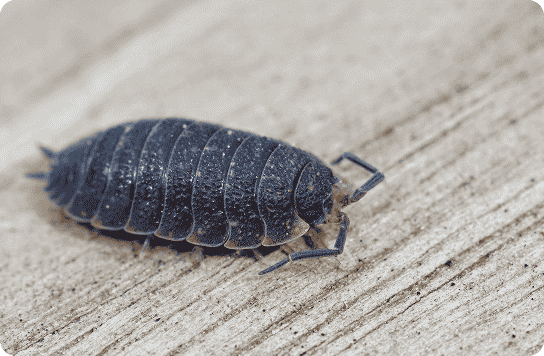
These pests may not cause the same level of damage as rodents or raccoons, but they can still signal cracks in your home sealing, moisture problems, or food-handling issues that need attention.
Indicators you have a winter pest problem
Winter pest problems are often identified by the evidence they leave behind. Look for gnaw marks on food packaging, wood, or wiring. Check for tracks in dusty areas, attic insulation, or snow around entry points. Listen for scratching sounds in walls, ceilings, or the attic, especially at night when many pests are active. A noticeable urine smell can also indicate a rodent infestation that has been present for a while.
Other signs include shredded paper, chewed baseboards, disturbed insulation, or droppings near stored items. If you notice multiple indicators together, the issue is likely more than a one-time visitor. The sooner you arrange an inspection service, the easier it is to identify the pest, find the access point, and stop the infestation before it spreads.
How pest control Ottawa services handle winter pest infestations
Professional pest control Ottawa providers often start with a detailed inspection. The technician reviews the roofline, foundation, vents, basement, attic, and utility penetrations to find out how the pests entered and where they are active. That inspection is the cornerstone of a good plan because treatment without access control seldom solves the issue for long.
Next comes exclusion, which refers to sealing holes, gaps, and vulnerable openings so pests cannot return. For rodents and some wildlife, trapping may also be needed to take out active animals already inside the structure. Finally, many providers recommend sanitation measures such as cleaning droppings, removing nesting debris, and reducing attractants around the home.
In Ottawa, same-season response is often important. Winter pest issues do not usually wait for spring, and a local pest technician can often provide quick help when the infestation is active. The best plans combine removal, repairs, and prevention rather than addressing the symptoms alone.
What to expect from local providers
Homeowners often compare local companies such as skedaddle ottawa, abell pest control ottawa, mr pest control ottawa, and go pest control ottawa when deciding who to call. Service offerings can vary, but most reputable providers should walk through the inspection findings, identify the pest, and outline whether the work will involve trapping, exclusion, cleanup, or repairs.
If you are trying to choose the best pest control ottawa option for a winter problem, focus on experience with cold-weather infestations, response speed, and whether the company addresses both entry and prevention. A provider that only removes the animal without sealing the home may leave you dealing with the same issue again later in the season.
How much does pest control Ottawa cost in winter?
The pest control ottawa cost for cold-weather pest removal depends on the type of infestation, the home size, how many entry points must be sealed, and whether follow-up visits are required. A standard inspection fees charge may be less expensive than a complete removal plan, but a complete solution often includes rodent removal, entry-point sealing, and monitoring.
For mice, a service may include several steps: a full inspection, trap installation, contamination cleanup, and sealing small gaps. For squirrels or raccoons, costs can increase because the work may require broader access repairs, more careful removal techniques, and additional service to confirm the animals are out and the entry point is secure.
When reviewing estimates, ask whether follow-up service is included. Winter infestations can involve hidden nesting areas, secondary entry points, or late discovery in attics and walls, so a one-time visit may not be enough. A clear estimate should explain what is covered and what could raise the final cost.
Which Ottawa neighborhoods have more winter pest issues?
Winter pest calls happen across the city, but some neighbourhoods and property types tend to see more activity. pest control kanata and pest control kanata ottawa requests are frequent in suburban areas with homes near green space, roofline access, or older wood structures. pest control orleans and pest control barrhaven are also common search terms because suburban homes can have garages, attic spaces, and exterior gaps that wildlife can use.
In older central Ottawa neighbourhoods, aging foundations, draftier construction, and historical roof details can lead to more entry points for winter pests. Meanwhile, newer subdivisions may still encounter issues if vents, soffits, or utility penetrations are not fully sealed. The pattern is less about a single neighbourhood and more about the structure, nearby food sources, and how well the home is maintained.
Older-style homes, suburbs, and rural edges
Homes near the city’s edge often experience different pressures than downtown properties. pest control carleton place, pest control rockland, and pest control renfrew are important searches because rural-edge properties can sit closer to fields, treelines, and wildlife routes. That can increase the chances of squirrels, raccoons, and rodents testing the home for shelter during winter.
Older homes can have more foundation cracks, worn vents, and roofline vulnerabilities, while suburban homes may have more garage access, stored materials, and exterior clutter. In both cases, keeping the perimeter clean and maintaining the structure are important parts of home sealing.
When to look for pest control near me in Ottawa
If you notice movement in the attic, spot droppings in a basement, or observe damage near the roofline, it is time to look for pest control near me. Winter pests can spread quickly once they settle in, and the longer they stay, the more hard cleanup and exclusion can become. A licensed technician can verify the problem, recommend the correct removal method, and help protect the home from repeat entry.
Many homeowners start with online research and compare the best pest control ottawa options, especially when they need a fast local response time. In winter, speed matters because animals can cause ongoing damage every night they remain inside. A good local provider should understand Ottawa housing styles, common winter entry points, and how to work in cold conditions safely.
If you are not sure whether the issue is serious, a quick inspection is usually the best next step. Even one mouse or a single set of scratching noises can indicate a larger hidden problem.
Preventing pests from entering your home this winter
Prevention starts outside the house. Focus on sealing gaps around pipes, vents, siding, and foundation cracks. Add or repair door sweeps so pests cannot slip under exterior doors. Store pantry items securely and improve food storage in basements, garages, and kitchens. Keep up with trash management by using tight lids, moving garbage away from the house, and cleaning up compost or pet food spills quickly.
Inside the home, reduce clutter in storage spaces and inspect the attic, basement, and garage for signs of intrusion. Outside, trim branches that reach the roofline and watch for damaged vents or loose flashing. Because Ottawa’s winter weather can shift quickly, what seems sealed in early fall may need to be checked again after heavy snow or thawing.
Prevention is most effective when it combines repairs, sanitation, and regular inspections. That approach protects the home before pests gain a foothold.
Ottawa-specific cold-weather pest FAQs
Which pests are most often seen in Ottawa homes during winter?
The most common winter pests in Ottawa homes are mice, rats, squirrels, and raccoons. Residents may also see cockroaches, cluster flies, spiders, and ants indoors. Long, cold winters and repeated thaw cycles make homes more attractive because pests are looking for warmth, shelter, and food.
What makes mice and squirrels come inside when it gets cold in Ottawa?
Mice and squirrels enter homes to avoid the low temperatures and find reliable shelter. Ottawa’s winter conditions make outdoor nesting difficult, so they look for entry points around the roofline, vents, or foundation. They are also drawn to food sources, nesting space, and protected areas like attics and wall cavities.
How do I know if I have a pest problem in my attic or walls?
Common signs include rodent droppings, gnaw marks, scratching sounds, damaged insulation, shredded nesting material, and a strong urine smell. In attics, you may also hear movement near the roofline or notice chewed vents. A professional inspection service can verify the pest and find the access point.
What is the cost of pest control Ottawa services for winter pest removal?
Pest control ottawa cost varies based on the pest, the size of the infestation, and the amount of repair work needed. Inspection fees may be separate from rodent removal or wildlife work, and some jobs require follow-up service. In winter, the total cost often depends on whether exclusion, trapping, and sanitation are all needed.
Should I call pest control near me right away if I see one mouse indoors?
Definitely. One mouse often means more may already be inside, especially in winter. If you see a mouse, it is smart to call pest control near me right away so a licensed technician can inspect the home, determine the access point, and recommend trapping and exclusion before the problem grows. Quick action is usually the best way to avoid a larger winter pest infestation.